
Millions of rooftops are quietly doing what big power plants can’t
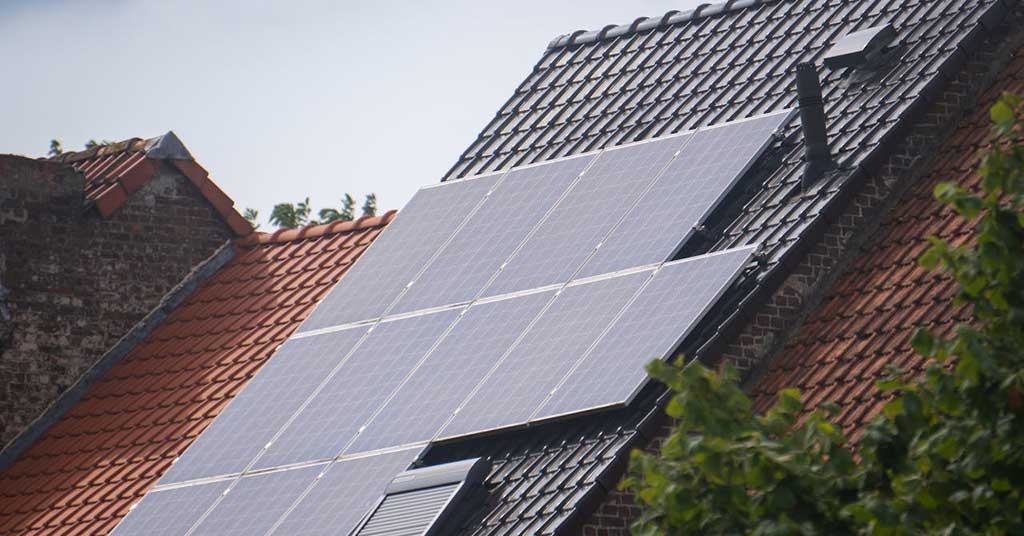
Rooftop solar and home batteries are reshaping electricity in Canada, boosting grid stability, reducing transmission strain and powering a modern energy system.
Photo by Bizar Van Jan
Home solar marks a fundamental shift in how we produce and consume energy. The rooftop panels are quietly transforming what, for over a century, had been a centralized power model into one that is far more dynamic and resilient. This decentralized model is not only transforming our electricity supply but also making the grid more stable and enabling homeowners to engage in the energy market actively. This article discusses how home solar is transforming the grid.
The Shift to a Decentralized Energy Model
The grid has long run one way, with big plants sending power over long distances. This is an inefficient centralized system that invites disruptions. Home solar is essentially changing this model by making millions of homes mini power plants. This establishes a decentralized energy production network. It alleviates pressure on long-distance transmission lines and reduces energy loss during distribution.
This decentralization of energy resources builds local energy resiliency. The cumulative power from neighborhood solar systems supplements the main grid, helping prevent brownouts during peak demand, like during heatwaves. It reduces the need to activate expensive and often polluting peaker plants. The increasing use of these systems, supported by installers such as CSK Electric, is creating a strong network of power sources that enhances the overall network’s capacity to withstand stress and disruptions.
Enhanced Grid Stability and Demand Management
Solar energy coincides with the grid’s peak usage time: the afternoon hours. This helps flatten the demand curve, thereby reducing dependence on traditional power plants during high-cost peak hours. This surge in daytime energy supplies provides a steady, reliable source of power generation that system operators can count on with greater consistency. It eases operational demands while yielding efficiency and financial advantages that benefit all ratepayers.
The actual potential for stability comes with solar and home battery storage. The batteries let homeowners store solar energy generated in the afternoon for use when demand is high in the evening. This allows residents to reduce grid power consumption during its most fragile hours. On a large scale, this collective effort to store and use individual solar energy serves as a virtual grid buffer, smoothing fluctuations and improving overall reliability.
Data-Driven Grid Modernization
The massive adoption of solar systems is flooding the grid with more real-time information than ever before. Inverters and smart meters provide more detailed information about household energy production and consumption. This granular information is priceless to utility companies. It enables them to predict energy load better, manage power flow, and identify inefficiencies in the local distribution network.
This data flow is creating a self-healing grid. A utility company can automatically bypass a problem area, such as a broken line, restoring power faster thanks to better insight into local conditions. In addition, the intelligence enables the integration of other renewable sources such as community wind projects. It fosters a better understanding of how intermittent generation can be offset within a modernized, responsive network.
Endnote
The home solar revolution is quiet but profound. By decentralizing power generation, strengthening stability with distributed storage, and supplying vital data for modernization, rooftop panels are upgrading our aging power infrastructure. This collective shift is creating a smarter, more resilient, and efficient grid, ushering in a new era of energy independence and reliability for all.
This content is a joint venture between our publication and our partner. We do not endorse any product or service mentioned in the article.



0 Comments