
For small businesses, a “minor delivery delay” isn’t minor at all, and the fallout spreads fast
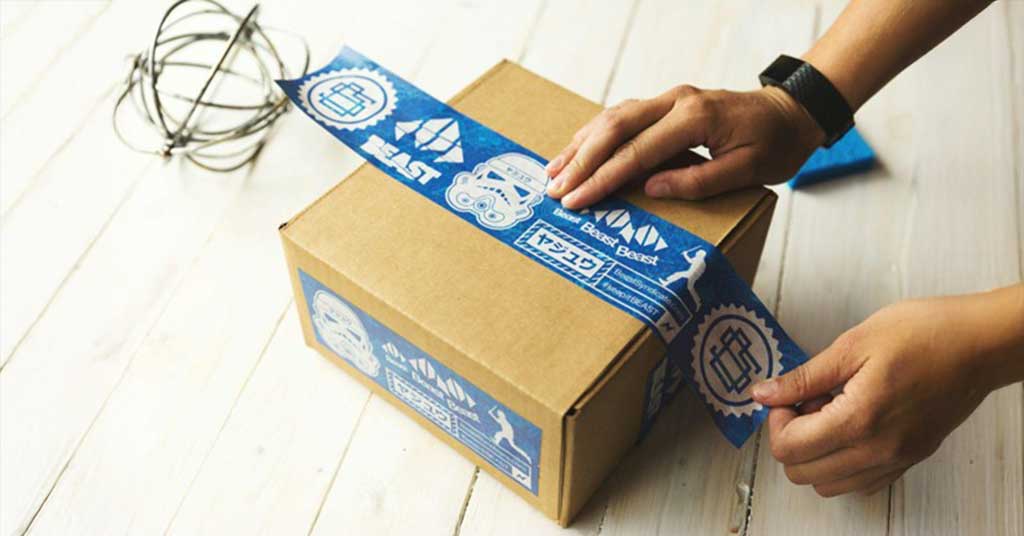
What large companies shrug off can bring a small operation to a dead stop.
Photo by Sticker Mule
For small businesses, most days run on tight margins. Not just financial ones, but time and attention.
There is a list of orders to fill, customers to respond to, suppliers to coordinate with, and tasks that depend on each other lining up in the right order. When everything arrives on time, the day moves forward without much thought.
When one delivery is late, the entire rhythm changes.
Why Small Businesses Feel Delays More Than Large Ones
Large companies can absorb delays. They have buffers, backup inventory, and layers of redundancy.
Small businesses usually do not. Research into the impact of late deliveries shows that delays affect more than the immediate task and can disrupt broader systems when timing matters.
When a shipment does not arrive on time, there is often no workaround. One missing item can stall fulfillment, delay invoices, or push customer communication into damage-control mode.
What looks like a small delay from the outside often lands as a full stop on the inside.
The Hidden Chain Reaction of a Late Delivery
Late deliveries rarely affect just one task.
A missing package can mean orders cannot ship. That delay can lead to customer emails, refunds, or rescheduled pickups. Those interruptions pull attention away from other work that still needs to get done.
By mid-day, the business owner or manager is no longer focused on growth or operations. They are managing fallout.
This is why delays feel heavier for small businesses. They spread quickly.
Why Timing Matters More Than Speed for Business Owners
Speed is appealing, but predictability is what keeps a business day intact.
A delivery that arrives quickly but unpredictably still forces adjustment. Staff wait around. Orders sit unfinished. Decisions get postponed.
A delivery that arrives when promised, even if it is not the fastest option, allows planning. It lets businesses schedule work, staff time, and customer expectations with confidence.
For small businesses, predictable timing protects momentum.
How Late Deliveries Affect Customer Trust
Customers rarely see the internal reasons for a delay. They only experience the outcome.
An order that ships late or arrives later than expected chips away at trust, even if the reason was out of the business’s control. Over time, repeated disruptions shape how customers perceive reliability.
Small businesses live and die on reputation. One missed delivery can lead to follow-up emails, negative reviews, or lost repeat business.
Preventing delays is not just operational. It is reputational.
The Mental Load Business Owners Carry
Running a small business already requires juggling many roles. Owner, operator, customer service, logistics, and planning often fall on the same person.
When a delivery is late, it adds mental load. Someone has to track it, communicate updates, and adjust the plan. That attention comes from somewhere else.
Even short disruptions break focus and slow progress on other priorities. Over time, these interruptions contribute to burnout.
How to Identify High-Risk Deliveries
Not every delivery carries the same risk.
For small businesses, the most disruptive deliveries usually share a few traits:
- They are required before work can continue
- They affect multiple orders or customers
- They have wide or unclear delivery windows
These are the deliveries that deserve extra attention upfront. Knowing which shipments matter most helps prevent downstream issues.
Why Reliable Delivery Partners Matter More for Small Businesses
Small businesses do not need flashy logistics solutions. They need partners who understand local routes, realistic timelines, and day-to-day constraints.
Reliable parcel delivery services help small businesses plan their operations without constant monitoring. When delivery windows are clear and communication is consistent, business owners can focus on running the business instead of tracking packages.
This is where local services often shine.
The Advantage of Local Delivery for Small Businesses
Local delivery services tend to operate closer to the realities small businesses face.
They understand traffic patterns, neighborhood access, and regional timing. When something changes, communication often happens faster and more directly.
This local awareness reduces surprises, which is often more valuable than raw speed. The benefit shows up in smoother days, not marketing claims.
How Businesses Can Reduce the Impact of Delays
Delays will always happen occasionally. The goal is not perfection. It is damage control.
Small businesses can reduce disruption by:
- choosing a delivery partner with clear timing expectations
- scheduling critical work after key deliveries arrive
- communicating early with customers if timing is uncertain
- building small buffers around high-risk shipments
These steps do not eliminate delays, but they limit how far the disruption spreads.
Why Consistency Protects Cash Flow
Delayed orders often lead to delayed payments.
When fulfillment slips, invoicing may slip. When invoicing slips, cash flow tightens. For small businesses, this chain reaction can create real pressure.
Reliable delivery helps keep fulfillment and billing on schedule. That consistency supports healthier cash flow without adding stress.
The Emotional Side of Operational Reliability
Reliable systems reduce anxiety.
When business owners trust their delivery processes, they make decisions faster. They feel less reactive and more in control. That confidence affects everything from customer communication to long-term planning.
Unreliable systems create constant low-level tension. Over time, that tension wears people down.
What Small Business Owners Should Take Away
Small businesses do not need faster days. They need steadier ones.
One late delivery can disrupt operations, customer trust, and focus. Preventing that disruption starts with recognizing which deliveries matter most and choosing partners that prioritize reliability.
Predictable delivery timing protects momentum. Momentum protects the business.
When operations run smoothly, business owners can spend more time growing the business instead of managing interruptions. That difference is tangible, and it shows up in both performance and peace of mind.
This content is a joint venture between our publication and our partner. We do not endorse any product or service mentioned in the article.



0 Comments