
Better barn design improves airflow, protects animals and keeps the barn running smoothly
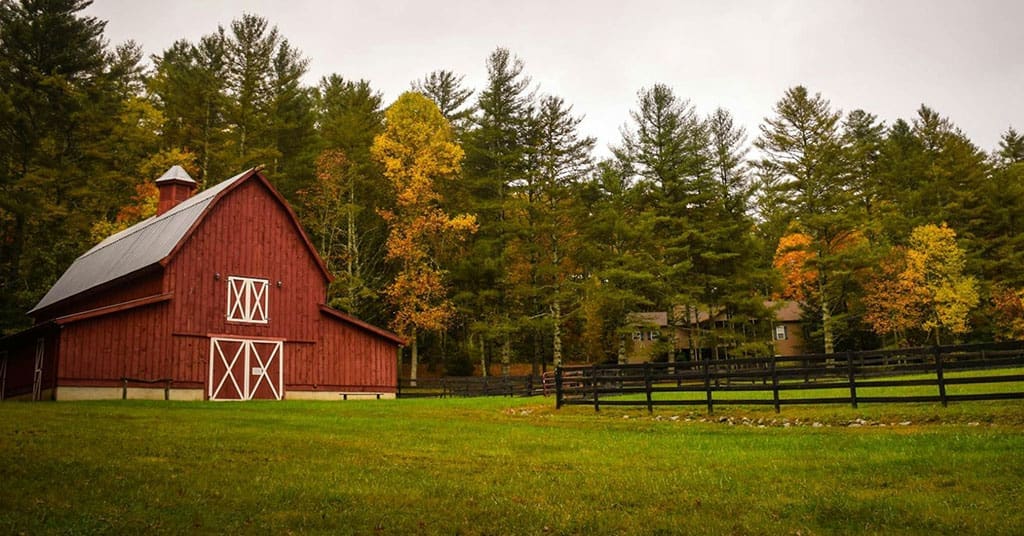
When the barn is designed well, animals stay healthier and the farmer’s daily work becomes far more efficient.
Image by Frances Gunn
The design of your barn is important for how well it works for your animals and your farming tasks. A good barn design helps you save time, supports animal welfare, and creates a safe and comfortable space. By organizing the layout and using helpful technologies, you can improve productivity and create a positive experience for both you and your livestock.
To get the most out of your barn, pay attention to key aspects like ventilation, space use, and access to resources. Focusing on these details can make your barn an effective center for your farming activities. Let’s look at how to optimize your barn design.
Smart Layout
A clear layout is key to efficiency. Organize your barn so that each area has a specific purpose, including spaces for feeding, resting, and medical care. Planning separate areas for different tasks helps keep things organized and reduces stress for both animals and workers.
Make sure paths between these areas are easy to navigate. When equipment and feed storage are within reach, it saves time on daily tasks. A well-designed barn enhances productivity and promotes a pleasant work environment.
Adequate Ventilation
Good air quality is crucial in your barn. Proper ventilation keeps a healthy environment for your animals. Use natural ventilation methods, such as windows and vents, to improve air circulation and reduce humidity.
Adding a barn exhaust fan can significantly enhance air quality by removing stale air and bringing in fresh air. This is especially helpful during hot weather, keeping your livestock cool and healthy. With good airflow, your barn becomes a better place for your animals.
Natural Lighting
Natural light can change the barn’s atmosphere and mood. Use large windows or skylights whenever possible. This brightens the space and helps lower energy costs.
Natural light also helps regulate your animals’ daily rhythms, which is important for their health. A well-lit barn leads to happier animals and can improve their production.
Barn Fans
Barn fans are important for keeping your animals comfortable. When it’s hot, effective fans help manage the barn’s environment. When placed correctly, fans can circulate air, creating a pleasant breeze for your livestock.
Using barn fans along with exhaust fans enhances ventilation. This combination keeps your barn welcoming even in the hottest months. The cool air reduces the risk of heat stress for your animals, supporting their well-being and productivity.
Water Access and Management
A good water supply is crucial in barn design. Easy access to clean water keeps your animals hydrated and healthy. Install automatic waterers to provide a constant supply without needing manual refills. This saves time and ensures animals always have enough water, which is vital for their health and growth.
Also, think about how to manage water and drainage. Proper drainage systems keep your barn dry and avoid muddy conditions, which can be uncomfortable for the animals.
Storage Solutions
Good storage is a key part of barn design that is often neglected. Centralized storage areas for feed, tools, and equipment make daily tasks easier and help keep the barn organized. Use shelves and racks to make the most of vertical space. This allows for more storage without crowding the floor.
Staying organized reduces the time spent searching for items, so you can focus on caring for your livestock. A well-planned storage system leads to smoother operations and a more enjoyable work environment.
Safety Features
Adding safety features to your barn design is important for protecting both animals and people. Install non-slip flooring to help prevent falls, and make sure all equipment is secure and well-maintained.
Designate emergency exits in your layout to provide quick escape routes during emergencies. Prioritizing safety creates an environment where everyone can work confidently.
Taking a smart approach to barn design improves functionality and enhances the quality of life for both animals and staff. Each decision should focus on creating a space that supports well-being and efficiency.
Sustainable Practices
Using sustainable practices in your barn design can help both the environment and your farming. Start by choosing eco-friendly building materials and insulation to lower your carbon footprint. You can also install solar panels to power your barn and save on energy costs.
Set up waste management systems, such as composting manure. This keeps your barn clean and provides natural fertilizer for your crops. Consider using rainwater collection systems to gather water for irrigation or cleaning. This conserves resources and reduces your utility bills.
By focusing on sustainability, you create a barn that is efficient, functional, and responsible. This approach benefits the environment and supports the long-term success of your farming practices.
This content is a joint venture between our publication and our partner. We do not endorse any product or service mentioned in the article.



0 Comments