
Every crypto wager leaves a digital trail that banks and regulators can follow
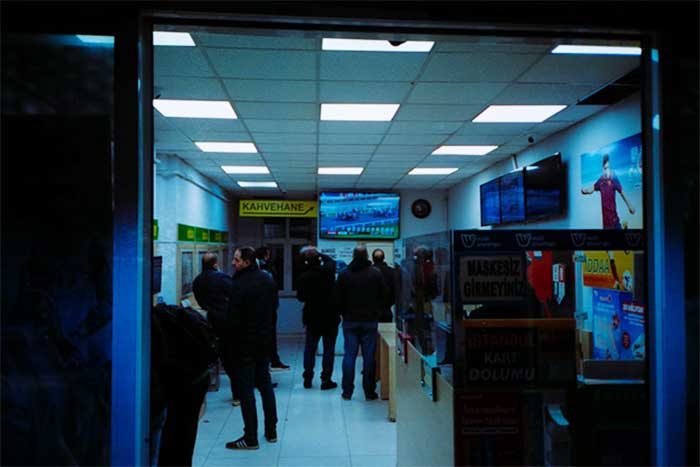
Bitcoin betting in Canada may move fast, but Canadian banks, regulators and gambling laws still set the rules.
Bitcoin sports betting feels like it breaks down barriers. The technology seems to erase borders, offering speed and global access that traditional methods can’t match.
But for Canadians, it isn’t quite that simple. Even as digital coins move quickly, the systems that govern banking and betting in Canada remain in place.
Legal frameworks around gambling and finance have not disappeared just because transactions happen in crypto. Canadian laws and oversight still shape how bets are placed and paid out, regardless of the currency involved.
Understanding where these new tools meet old rules is crucial for anyone stepping into Bitcoin betting. The path might look borderless, but the boundaries are still there.
A Canadian’s first brush with bitcoin betting: faster, but not unnoticed
For many Canadians, the first thing that stands out with bitcoin sports betting is sheer speed. Deposits that would take hours with a bank wire or Interac e-Transfer can show up in your betting account in about a dozen minutes.
It’s a striking difference. The process feels frictionless, almost like the old rules of geography and banking no longer matter.
But underneath that smooth surface, every transaction creates a digital record. Canadian banks and regulators monitor for unusual activity, and crypto’s transparency means those records are visible in ways cash just isn’t.
Whether your wager is a few dollars or a big win, the movement of Bitcoin gets noticed. Even if the platform sits outside Canada’s official borders, the financial footprint often leads right back to you.
The appeal of borderless betting is real, but so is the oversight. When you use bitcoin sports betting in Canada, you’re operating in a space that feels new, but still sits within reach of established rules.
Each step may feel modern and fast. Yet, it never fully escapes the structures that define Canadian finance and gambling oversight.
Licensed markets versus the rest: where regulation draws the line
That structure becomes even clearer once you see how Canadian provinces handle crypto betting.
Ontario stands alone with its own open market. Here, private gambling operators must get licensed and follow rules for responsible play and transparency. If you’re betting with Bitcoin in Ontario, you’re inside a system designed to protect players and keep operators accountable.
Most other provinces don’t offer that. Outside Ontario, government-run platforms remain the only legal option, and these platforms usually don’t accept crypto at all. If you try to place a Bitcoin bet from these regions, you’re stepping outside the official system.
It’s tempting to think of crypto as making borders irrelevant. But in practice, these provincial lines are real. The lack of clear oversight in most provinces means betting with Bitcoin can leave you without key protections or recourse if something goes wrong.
The difference is visible: in Ontario, oversight is strict and the rules are published. If you want to see what this looks like, it’s worth checking the Ontario gambling regulations that set these standards.
For Canadians outside Ontario, it’s a reminder that speed and access don’t erase the boundaries set by law and policy. Where you live shapes what’s allowed—and what risks you face.
Banking meets blockchain: why money still faces Canadian barriers
Even with the speed of Bitcoin, Canadian players can’t avoid banks entirely—especially when it’s time to turn crypto back into cash.
Depositing with Bitcoin feels fast and direct, but withdrawing your winnings is rarely as simple. Most times, you’ll have to move funds through a Canadian bank or payment processor that’s bound by strict compliance rules.
Banks keep a close watch on unusual or large crypto-related transactions. If a withdrawal looks suspicious, it can be delayed, flagged for review, or even frozen. The days of believing that Bitcoin betting is truly anonymous are gone.
Institutions are legally required to monitor for money laundering and to report certain types of activity. So even if your bet started in a borderless environment, your winnings eventually run into very real boundaries.
This is where the old and new worlds collide. Crypto promises frictionless movement, but Canadian banking controls still shape when and how players can access their money. For a deeper look at how these processes play out in practice, see how Crypto Casinos in Canada handle coins, wallets, and cashout expectations.
The next frontier: stablecoins and the coming rules for crypto wagers
Canadian regulators aren’t standing still as crypto gambling grows. The focus is shifting to stablecoins, digital currencies tied to the value of traditional money, and how they might change the sports betting landscape.
Behind the scenes, new rules for stablecoins are in the works. Proposals include requirements for issuers to hold real asset reserves and set up stronger risk controls, aiming for more transparency and less volatility across all crypto transactions.
For anyone betting with Bitcoin or planning to use stablecoins, these changes could impact everything from how deposits are made to what operators need to stay compliant. Operators may soon face stricter checks around asset backing and reporting, while players could see new verification steps or limits when using crypto funds.
The conversation isn’t settled. It’s active and evolving, with the outcome set to shape the future of digital betting in Canada. The arrival of a stablecoin regulation proposal signals that borderless betting is about to meet a new set of Canadian boundaries.
a balancing act: what canadian bitcoin bettors should remember
With new regulations on the horizon, the sense of boundless betting is giving way to clear Canadian rules.
Fast Bitcoin transactions might feel like they sidestep the usual process, but every bet in Canada still runs into established safeguards.
Regulated markets, vigilant banks, and shifting federal laws all shape the experience, even if the platform feels global.
What looks like an easy workaround today could easily become tomorrow’s compliance obstacle as oversight grows.
Tools like Blockchain KYC for Gambling are already being tested in provinces, making it more important than ever to stay alert to both regulatory and banking changes.
This content is a joint venture between our publication and our partner. We do not endorse any product or service mentioned in the article.



0 Comments