
Drivers who once expected their day in court now face immediate administrative penalties before a judge ever hears the case
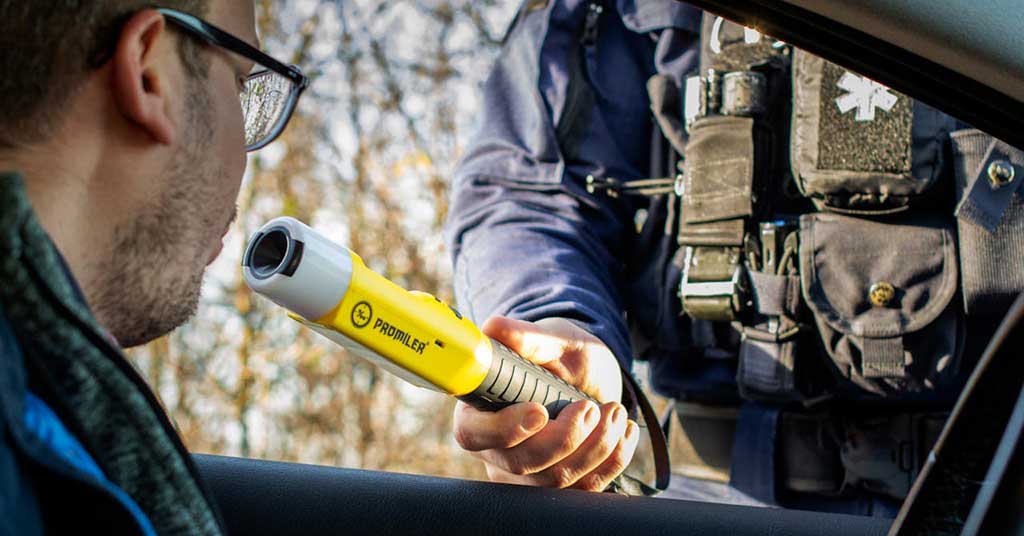
A roadside test can trigger licence suspensions, vehicle seizures and fines.
Image by Łukasz Promiler
Alberta’s approach to impaired driving changed fundamentally when the Provincial Administrative Penalties Act came into force in 2020. What the public largely hasn’t absorbed is how sweeping that change truly was. Drivers who once expected a guaranteed court date, a presumption of innocence, and the full criminal justice procedure now encounter something faster, harsher, and far less forgiving: an Immediate Roadside Sanction.
The IRS Framework is Not Just a Traffic Ticket
The Immediate Roadside Sanction, commonly called the IRS, is triggered the moment a peace officer records a Blood Alcohol Concentration above 0.08, or determines drug impairment at the roadside. What follows is a cascade of administrative consequences that begins before you reach home:
- A 90-day immediate license suspension, effective at the roadside
- A 30-day vehicle seizure, removing your transportation immediately
- A $1,000 fine plus a mandatory 20 per cent victim surcharge
- A mandatory 12-month Ignition Interlock Program following the initial 90-day total suspension.
The suspension period is not only 90 days; it is effectively 15 months before unrestricted driving resumes. For professionals who depend on commercial licensing or daily mobility, this timeline can disrupt employment contracts, client relationships, and business operations in ways that a one week court appearance never would. For Alberta’s professional class, this is an operational crisis.
Criminal Charges vs Administrative Penalties
The administrative system handles most impaired driving cases, but certain circumstances compel police to pursue Criminal Code charges instead. These triggers include accidents involving bodily harm or death, cases where a child was present in the vehicle, high-BAC readings significantly exceeding the legal limit, and repeat offenses that meet criminal threshold criteria.
The distinction matters enormously. An administrative penalty, even one carrying a 15-month driving restriction, does not produce a criminal record. Once the sanctions are served and conditions met, the event does not follow you onto a background check, across international borders, or into employment screenings.
A criminal conviction operates on an entirely different timeline: it is permanent, it restricts travel to countries including the United States, and it surfaces in professional licensing reviews. The administrative process is severe and the criminal process is life-altering.
The 7-Day Appeal Clock
Administrative penalties are not challenged in provincial court. They are contested through the SafeRoad Alberta online tribunal, a specialized platform designed to adjudicate these matters outside the traditional judiciary. The mechanics of this system are unfamiliar to most drivers, and the deadlines are uncompromising.
You have seven calendar days from the moment the officer hands you the Notice of Administrative Penalty to file your appeal. If you miss that window you forfeit your right to challenge the sanction entirely. Successful appeals typically rest on technical grounds rather than factual ones. Common bases for challenging an IRS include:
- Procedural errors by the officer during the stop or testing process.
- Device malfunction or improper calibration of the Approved Screening Device (ASD).
- Charter violations relating to the lawfulness of the initial stop.
- Documentation deficiencies in the Notice itself.
- Improper demand for a breath sample without lawful grounds.
These are precision arguments. They require someone who understands both the technical operation of roadside testing equipment and the procedural requirements that govern its use. Approaching a hearing without that knowledge is going in to surrender.
Strategic Defense in a Specialized Market
The SafeRoads tribunal and a criminal courtroom demand fundamentally different skills. An impaired driving defense in Edmonton requires counsel familiar with both streams; someone who can assess whether the administrative case has technical vulnerabilities while simultaneously evaluating whether criminal exposure remains on the table.
The local judiciary, the tendencies of specific tribunals, and the procedural culture of Alberta’s legal landscape all factor into an effective defense. For those facing these high-stakes consequences, securing a consultation with a Liberty Law best impaired driving lawyer Edmonton ensures that your rights are protected throughout the administrative or criminal process.
Freeing Up The Criminal Justice System
Alberta’s administrative justice model is deliberately swift and intentionally severe. The province designed the IRS system to remove impaired drivers from the road without the delays inherent in criminal prosecution. That efficiency, however, comes at the cost of due process protections most Canadians assume they have.
The moment an officer hands you a Notice of Administrative Penalty, your seven day clock begins. There is no grace period, no informal extension, and no second opportunity to preserve your right to appeal. Act immediately, consult qualified legal representation, and understand exactly what process you are entering. Public safety and individual rights are not opposing values, but protecting both requires knowing precisely where you stand under the law.
This content is a joint venture between our publication and our partner. We do not endorse any product or service mentioned in the article.



0 Comments