
How grooms can find the perfect fit
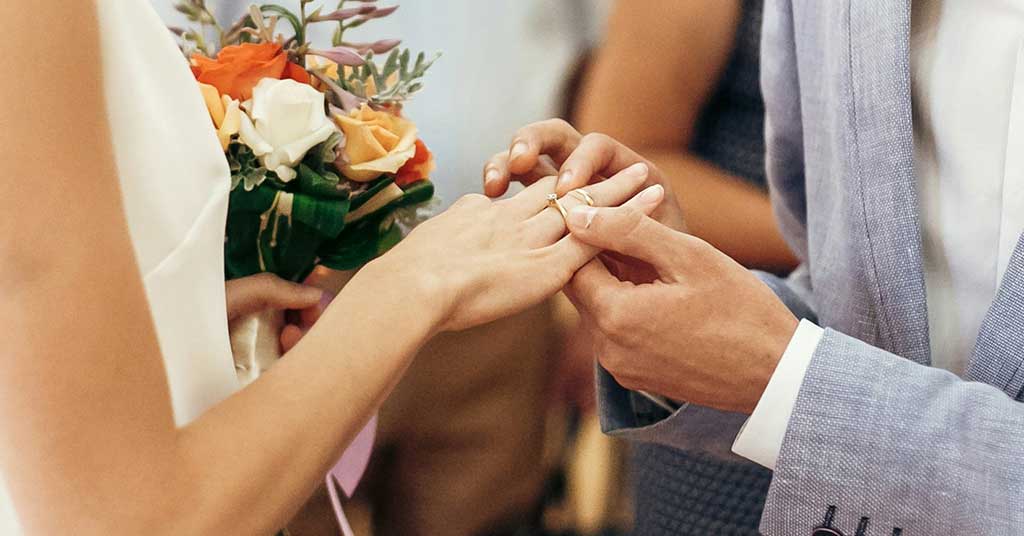
Your wedding band shouldn’t come with a financial surprise. Skipping upfront research on hidden fees could leave you facing unexpected wedding costs.
Getty Images
Picking out a wedding band ranks among the most personal buys a groom will ever make. That ring stays on his hand every single day, through meetings, gym sessions, and lazy Sunday mornings. Choosing it deserves more attention than a rushed visit to a display case. Some upfront thinking helps grooms land on a band that suits their lifestyle, feels good to wear, and matches their style without any second-guessing down the road.
1. Setting a Realistic Budget Early
Before scrolling through styles, grooms should figure out what they’re comfortable spending. Wedding bands cover a huge price range, shaped by the metal, the width, and any extra design touches. Locking in a number early keeps the search focused on rings that actually fit the financial picture.
According to a 2024 report from The Knot, couples spend roughly $510 on average for a groom’s ring. Plenty of people pay much less, while others stretch into premium metals or fully custom builds. That figure gives buyers a fair benchmark to work from.
1.1 Hidden Costs Worth Knowing
Engraving, future resizing, and lifetime warranty plans usually come with their own price tags. Asking about all of this at the counter keeps the final receipt from holding any surprises.
2. Choosing the Right Metal
The metal a groom picks shapes the cost, how well the ring holds up, and how it feels hour after hour. Every option carries trade-offs worth weighing carefully before signing off.
Tungsten and titanium have built a strong following thanks to their scratch resistance and clean, modern appearance. Gold stays a timeless pick, with yellow, white, and rose shades to choose from. Platinum has a denser feel and excellent staying power, though it lands at a higher price. Active grooms often add a flexible silicone band as a backup ring for rougher days.
The variety available to grooms today is wider than ever, and looking at curated collections like mens wedding bands from specialty makers opens the door to materials such as meteorite, antler, and wood inlays. These ranges often blend classic metals with bold accents, letting a band carry real personality while still holding its own in daily wear.
2.1 Allergies and Skin Sensitivity
Some grooms get a reaction from nickel, which shows up in certain white gold blends. Safer picks include platinum, palladium, and pure titanium for sensitive skin.
3. Matching the Band to a Lifestyle
A carpenter’s hands take a very different beating than those of someone behind a laptop all week. Grooms should take an honest look at how their hands actually get used during a normal seven days.
Anyone lifting heavy weights, swinging tools, or running machinery tends to do better with harder metals or a slim profile that won’t catch on things. Desk workers can lean into softer choices like gold without much concern. Outdoor types often keep two rings on hand, switching to silicone for hikes, climbs, and gym time.
4. Getting the Fit Right
A ring that’s sized wrong becomes a daily annoyance and might even slide off when temperatures drop. Getting professionally measured at a jewelry shop is far better than fiddling with paper strips at the kitchen table.
Finger size shifts during the day based on heat, water intake, and activity levels. Most jewelers suggest sizing in the late afternoon, when fingers usually settle at their typical size. Wider bands tend to feel snugger than thinner ones, so a groom trying on a 6mm width should bump up half a size from what fits in a 2mm band.
4.1 Comfort Fit vs. Standard Fit
Comfort fit bands have a softly curved inside edge, which makes sliding the ring on and off much easier. Standard fit lays flat against the skin and tends to grip a little tighter.
5. Coordinating With a Partner
Some couples like fully matching bands; others go for complementary pieces that reflect their individual taste. Talking it through together heads off any awkward moments at the ceremony.
Matching does not have to mean identical. Lots of couples land on the same metal while picking different widths or finishes, which creates a coordinated feel without anyone losing their personal touch. Having that conversation early on makes the whole shopping process smoother for both people.
6. Planning Ahead for Customization
Custom rings and detailed engravings take real time to produce. Last-minute orders rarely match the craftsmanship of pieces that get the proper runway.
Most jewelers recommend placing the order at least eight to twelve weeks before the wedding date. Custom designs, set stones, or specialty inlays can push that window even further out. Grooms wanting personal touches like initials, GPS coordinates, or important dates should leave room for a round or two of revisions.
Conclusion
Shopping for a wedding band takes more than grabbing the first shiny thing on the tray. Smart budgeting, careful mental choices, and an honest read on daily habits all shape the right pick. Grooms who plan early, ask plenty of questions, and stay in sync with their partner end up with rings they truly love wearing. A bit of homework upfront pays off across decades of confident, comfortable wear.
This content is a joint venture between our publication and our partner. We do not endorse any product or service mentioned in the article.



0 Comments