
Discover affordable, low-ingredient moisturizers that support the skin barrier and offer real relief for those living with sensitive, eczema-prone skin
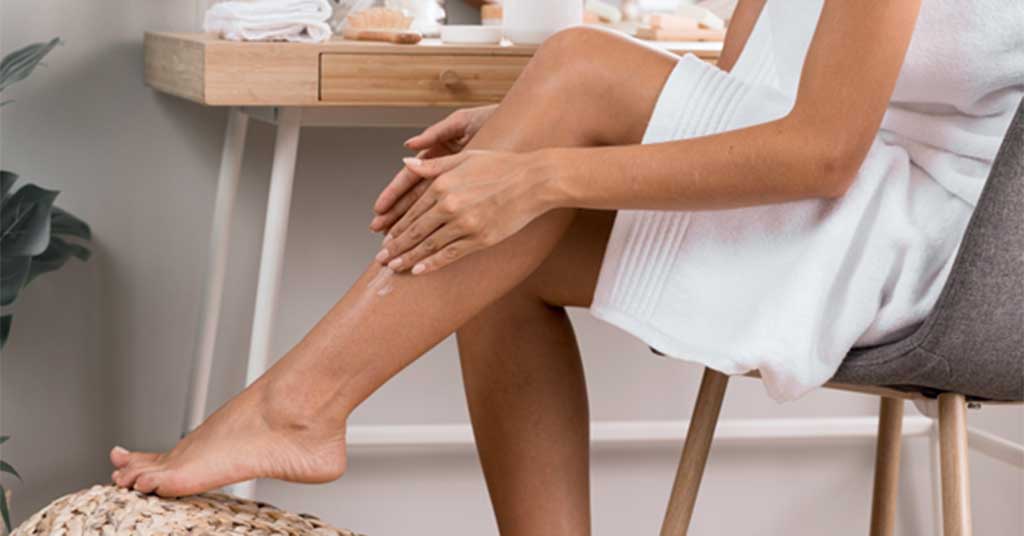
Why do gentle creams still cause flare-ups?
Image by Freepik
If you can set off an angry red rash just by switching laundry detergents, you are not alone. According to the CDC, about 7.3 per cent have eczema, making skin sensitivity a common challenge. Living with reactive skin often feels like walking through a minefield of hidden irritants where every new product is a potential risk.
It’s an exhausting cycle of hope, trial, error, and wasted money. To save you the frustration and the expense, we’ve focused on the core principle of happy, sensitive skin: simplicity.
We rounded up some of the most trusted, fragrance-free moisturizers to report on what truly calms the itch and why it works.
Understanding Sensitive, Eczema-Prone Skin on a Budget
Eczema and general skin sensitivity stem from a compromised skin barrier. Think of your skin’s outermost layer as a brick wall where lipids are the mortar holding skin cells together. When this mortar weakens, it loses moisture and develops microscopic cracks, allowing irritants and allergens to sneak in.
This breach is what triggers inflammation, redness, and that all-consuming itch. Formulas with very few ingredients and zero added fragrance significantly lower the odds of a flare-up. The logic is simple: fewer ingredients mean fewer potential triggers.
Before committing to a full-size tub or bottle, always buy the travel or trial size first. Perform a patch test by applying a small amount to your inner arm and waiting 48 hours to check for any reaction. This small step can save you from a major flare-up and a wasted purchase.
| Key Insight: Eczema-prone skin isn’t just dry; it has a weakened barrier. The goal of a good moisturizer is to rebuild this protective ‘wall,’ locking moisture in and keeping irritants out. |
How We Chose These Minimal-Ingredient Moisturizers
To ensure our recommendations were genuinely safe and effective, every product on our shortlist had to meet four strict criteria. Each one needed to be affordable, accessible, and endorsed by professionals or recognized for its gentle formulation.
- 15 ingredients or fewer (or formulas with slightly more but known for being exceptionally low-irritant).
- 100 per cent fragrance-free, as the National Eczema Association states that for its Seal of Acceptance, “All products must be fragrance free with no scent present in the formula.”
- Endorsed by professionals, dermatologist-backed, or holding the National Eczema Association (NEA) Seal of Acceptance, ensuring “Products cannot contain any ingredients on the Ecz-clusion List.”
- Generally affordable and accessible, costing under $30 for a full-size tube or jar.
No brand paid for placement in this review. All products were selected based on publicly available ingredient lists, extensive user reviews, and clinical recommendations.
Gentle Alternatives Beyond the Drugstore
While mainstream creams are easy to find, some people with extreme sensitivities react even to common emollients in pharmacy brands.
For those who have exhausted traditional options, ultra-simplified balms can be a game-changer. For instance, The Eczema Company’s beef tallow cream uses tallow from grass-fed animals, olive oil, and beeswax for a dense, occlusive layer.
Side-by-Side Comparison of Top Performers
| Product | # of Ingredients* | Key Actives | Texture | $ per oz | NEA Seal? | Overall Rating |
| Vanicream Moisturizing Cream | 13 | Petrolatum, Sorbitol | Thick cream | $1.20 | ✔ | 4.7/5 |
| CeraVe Moisturizing Cream | 19 (low-irritant) | Ceramides, Hyaluronic Acid | Rich cream | $1.42 | ✔ | 4.6/5 |
| La Roche-Posay Lipikar Baume AP+M | 22 (still gentle) | Shea Butter, Niacinamide | Balm-to-cream | $2.10 | – | 4.5/5 |
| Aveeno Eczema Therapy Balm | 15 | Colloidal Oatmeal | Balm | $1.35 | ✔ | 4.4/5 |
*Ingredient count reflects INCI list, not including water.
Deep-Dive Product Profiles
Vanicream Moisturizing Cream
This is a true dermatologist staple, often recommended for post-procedure care and for those with the most reactive skin. Its minimal-ingredient angle is its biggest strength, with only 13 components. Its key ingredients are petrolatum, which forms an occlusive seal, and sorbitol, a humectant that draws moisture into the skin.
It is excellent for severely dry patches on the body, cracked heels, and as a protective facial cream in harsh winter weather. It’s also gentle enough for infants. For best results, apply it to damp skin right after a shower to lock in hydration.
CeraVe Moisturizing Cream
A cult classic for a reason, CeraVe’s cream focuses on restoring the skin’s natural barrier lipids. While it has 19 ingredients, its formula is famously free of common irritants. Its highlights are Ceramides 1, 3, and 6-II, which are essential for rebuilding the skin barrier, and Hyaluronic Acid, which plumps skin.
This combination results in a softer, less greasy feel than petrolatum-only formulas, making it a popular choice for both face and body. It’s an ideal final step in a skincare routine, especially layered over active ingredients to buffer potential irritation.
La Roche-Posay Lipikar Baume AP+M
Hailing from French pharmacy skincare, this rich balm is designed to moisturize and help rebalance the skin’s microbiome. Its star ingredients include nourishing Shea Butter, anti-inflammatory Niacinamide, and the brand’s proprietary prebiotic thermal water. These work together to calm irritation and can soothe itching within minutes of application.
Its thick texture makes it best suited for nighttime use. Many people use it for “slugging” over very dry patches on the face or body to seal in moisture while they sleep.
Aveeno Eczema Therapy Itch Relief Balm
This balm leverages the power of colloidal oatmeal, a long-trusted ingredient for soothing irritated skin, and proudly carries the National Eczema Association seal. The beta-glucans in oats are proven to relieve redness and help strengthen the skin’s protein matrix. It’s a thick, concentrated balm that provides a protective barrier and immediate relief.
It is a fantastic choice for targeted application on stubborn eczema patches. It is also safe for babies three months and older, making it a versatile household staple for the whole family.
| Key Insight: The best moisturizer is the one you’ll use consistently. Barrier repair takes weeks, so choose a texture you enjoy applying daily to see real, long-term improvement in your skin’s health. |
Crafting a Gentle Skincare Routine
The right product is only half the battle. How you use it matters just as much.
Morning
- Cleanse: Use a pH-balanced, soap-free cleansing bar and lukewarm water.
- Moisturize: Gently pat your skin mostly dry, leaving it slightly damp, and apply your moisturizer within 60 seconds.
- Protect: Finish with a mineral broad-spectrum sunscreen of SPF 30 or higher.
Night
- Cleanse: Use a creamy, non-foaming cleanser to remove sunscreen and impurities.
- Treat (Optional): If you use active ingredients, apply them to dry skin and wait 5-10 minutes.
- Seal: Apply a generous layer of your moisturizer to seal everything in.
| Pro Tip: Apply your moisturizer to slightly damp skin within 60 seconds of cleansing. This simple step traps surface water, dramatically boosting hydration and helping the product absorb more effectively. |
Common Mistakes & How to Dodge Them
- Over-exfoliating: A compromised barrier cannot handle exfoliation. Skip all scrubs and harsh acids when your skin is flaring, as they can create micro-tears and worsen inflammation.
- Skipping Patch Tests: It’s tempting to slather on a new product right away, but this is a major risk. Always test a new product on a small area for two nights before applying it more broadly.
- Ignoring Hidden Fragrance: A product labeled “unscented” can still contain masking fragrances. You must read the ingredient list for terms like “parfum,” “fragrance,” or essential oils.
- Ingredient Cocktailing: When skin is irritated, it’s tempting to try multiple new products at once. Introduce only one new product at a time, giving it at least two weeks before adding another.
| Warning/Important: Never skip a patch test. Applying a new product without testing it on a small area first is a major gamble that can lead to a full-blown flare-up. Patience prevents pain. |
Frequently Asked Questions
Q: Can I use these creams on both face and body?
A: Yes, all the moisturizers featured are formulated to be gentle enough for both. However, if you are prone to acne, start by applying the richer creams sparingly on your face. Most are labeled non-comedogenic, but individual experiences can vary.
Q: How long until I feel relief?
A: You should notice a reduction in itching and tightness within a few days of consistent use. However, full skin barrier repair is a long-term process that can take up to six weeks. Patience and consistency are key.
Q: Are natural essential oils safe substitutes for fragrance?
A: Not for sensitive skin. While natural, essential oils contain potent allergens like tea tree, peppermint, or citrus that can be extremely sensitizing. For eczema-prone skin, it is safest to opt for products that are truly fragrance-free.
Q: What if I’m also acne-prone?
A: Look for products specifically labeled “non-comedogenic.” Focus on formulas rich in humectants like glycerin or hyaluronic acid rather than heavy occlusives or butters. A lighter cream or lotion might be a better choice for daytime use.
Your Next Steps
The journey to calm, comfortable skin starts with one simple choice. Pick one moisturizer from this list that seems like the best fit for your skin’s needs and your budget.
Commit to patch-testing it properly, and if it passes, use it consistently for at least two weeks. Tracking your results in a simple skin diary can help you identify what truly works for you.
This content is a joint venture between our publication and our partner. We do not endorse any product or service mentioned in the article.