
A corporate bankruptcy is a chance for business renewal
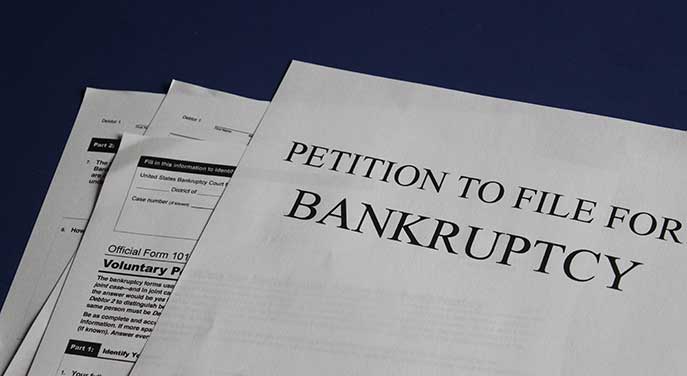
Treating insolvency as a strategic reset rather than an end is the only way to recover.
Photo by Melinda Gimpel
Navigating corporate bankruptcy can be challenging, but with the right knowledge and strategies, it can become manageable. Business owners need to understand bankruptcy law and its implications for their companies. It’s important to address this challenge directly to protect your assets and your stakeholders’ interests.
During tough times, making good decisions is crucial. It’s not just about surviving; it’s about setting up for a possible recovery. Whether you’re thinking about restructuring or creating a consumer proposal, every decision can significantly impact your business’s future. With the right approach, you can turn a difficult situation into a chance for renewal.
Understanding Corporate Bankruptcy
Corporate bankruptcy is a legal process that allows a business to reorganize its debts or liquidate its assets while protecting it from creditors. Many companies see it as a last resort, but it can also be a way to regain stability. When a business files for bankruptcy, it can stop collection efforts, giving it time to assess its financial situation without the pressure of immediate payments.
There are two main types of corporate bankruptcy: Chapter 7 and Chapter 11. Chapter 7 involves selling off assets to pay creditors, while Chapter 11 allows the company to reorganize its debts and continue operating. Choosing the right option depends on factors like the company’s financial health and the nature of its debts. Consulting with legal and financial experts can help you find the best choice for your needs.
Legal Guidance
Working with a knowledgeable lawyer is essential when going through bankruptcy. A qualified attorney can provide valuable insights into bankruptcy law and guide you in making informed choices. They can explain your rights, outline the consequences of your decisions, and ensure you meet all legal requirements.
Be open and honest with your lawyer. Share all relevant details about your financial situation, including debts, assets, and income. This honesty helps them create a plan that fits your unique circumstances. Good legal advice can save you from mistakes and help you explore options like potential settlements with creditors.
Transparency with Stakeholders
Clear and honest communication with stakeholders is vital during the bankruptcy process. Keeping stakeholders informed builds trust and can create a supportive atmosphere. While it might be tempting to hide difficulties, being transparent can strengthen relationships.
Explain the reasons behind the bankruptcy decision and how it will help the company come back stronger. Open communication may ease employees’ concerns about job security and encourage suppliers to continue supporting the business. This proactive approach often leads to teamwork during hard times.
Consumer Proposal
A consumer proposal BC can be a useful option in corporate bankruptcy. This option allows businesses to propose a repayment plan to creditors without going through a full bankruptcy proceeding. It allows companies to negotiate a more manageable settlement, resulting in lower payments over a longer time.
The process starts with creating a proposal, usually through a licensed insolvency trustee, who can help structure it correctly. Once submitted, creditors can review and accept or reject the proposal. If accepted, this arrangement can prevent bankruptcy, protect assets, and allow the business to continue operating.
Consumer proposals can be attractive because they offer flexibility and help maintain operations while settling debts. Choosing this option can bring relief as you take steps toward recovery and preserve your business’s core functions.
Financial Reassessment
Evaluating your finances is an important step when dealing with bankruptcy. Start by reviewing your current financial situation, including your income, expenses, debts, and assets. This assessment helps you find ways to cut costs and increase revenue.
Also, examine past financial reports for insights. Knowing where you have overspent or underperformed can teach you valuable lessons for the future. This self-examination promotes accountability and encourages your team to work more efficiently.
Future Planning
Emerging from bankruptcy offers a chance to rethink your business. Use this time to evaluate your business model and markets. Consider new partnerships, rebranding, or expanding into new areas.
You may also need to reassess your staffing needs. Having a skilled and motivated team can help drive change. Invest in training to ensure your employees have the right skills for the changing market. By focusing on the future and nurturing a culture of growth and innovation, you can recover and strengthen your business.
While navigating bankruptcy can feel overwhelming, taking practical steps, communicating openly, and exploring options like consumer proposals can lead to a successful turnaround. Remember, every challenge brings an opportunity, and approaching this process with a positive mindset can lay the groundwork for a stronger future.
This content is a joint venture between our publication and our partner. We do not endorse any product or service mentioned in the article.



0 Comments