
Essential welding safety tips for protecting workers
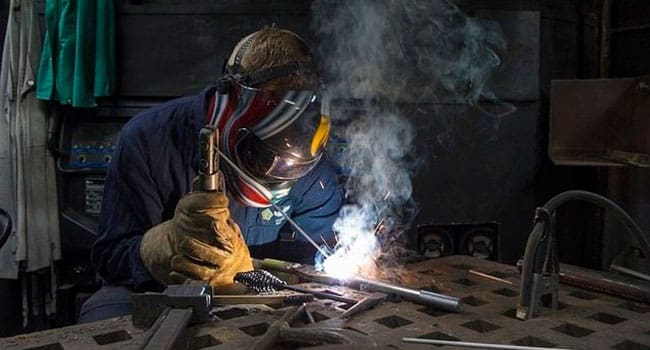
Proper equipment maintenance and training create a safer, more productive workplace.
Welding is an important job in many industries, like construction and automotive manufacturing. Skilled welders join metals together to create strong, reliable structures. However, welding can be risky. Hazards include burns, breathing problems, and electric shocks. Therefore, improving welding safety is crucial to protecting workers and ensuring a safe work environment.
Here’s how to enhance safety practices so welders can return home unharmed every day.
Awareness and Training
Proper training and awareness are key to improving welding safety. Workers should receive thorough training on welding techniques, equipment, and hazards. This training should cover not only welding but also safety rules.
Holding regular safety meetings and refresher courses can keep safety top of mind for everyone. These sessions can remind workers about the need for personal protective equipment (PPE) and the correct use of welding tools. When workers understand the risks and how to handle them, they are more likely to work safely.
Welding Accessories
Using the right welding accessories is vital for safety. Essential items include helmets with auto-darkening filters, high-quality gloves, and protective clothing. Welding helmets shield the face and eyes from harmful UV rays and sparks. Helmets with a larger viewing area can help welders stay aware of their surroundings.
Proper footwear is also important. Steel-toed boots protect feet from injuries caused by heavy equipment and falling materials. Flame-resistant clothing is necessary to reduce the risk of burns.
Encouraging workers to use and care for these accessories makes sure everyone is ready to work safely. When safety gear is readily accessible and consistently used, the risk of accidents decreases significantly.
MIG Welders
MIG welders are popular because they are easy to use and versatile. However, safety is very important when using them. It is crucial to know how to operate these machines properly to reduce risks.
All welders should be trained to use MIG equipment. They must understand how to set the correct voltage and wire speed, and how to maintain the machine to prevent problems. A well-maintained MIG welder lowers the risk of electrical shocks and equipment failures, which can lead to accidents.
Proper ventilation is also important when using MIG welders. They can create harmful fumes that may affect a welder’s health over time. Using good extraction systems or working in well-ventilated spaces can help reduce these dangers. Following safety protocols can create a safer work environment.
Regular Equipment Checks
Regular inspection and maintenance of welding equipment are key to improving safety. Check equipment for wear and damage before use. If you find any signs of a problem, mark it for repair.
Create a maintenance schedule to ensure that all tools and accessories are in good condition. This includes regularly checking hoses, power cords, and other electrical components. Keeping equipment in good shape lowers the risk of malfunctions that could cause accidents.
Emergency Preparedness
Being prepared for emergencies is essential in welding. You need a clear emergency response plan. This includes knowing how to react to accidents, fires, or harmful fumes.
Train workers on emergency procedures so they can act quickly and effectively during unexpected situations. Make sure the workspace has fire extinguishers and first-aid kits. Regular drills help everyone understand their role in an emergency, contributing to a safer work environment.
Implementing a Safety Culture
Creating a safety culture in a welding operation greatly improves overall safety. Communicate safety expectations clearly and emphasize that everyone shares responsibility for safety. Encourage workers to discuss safety concerns openly. They should feel comfortable reporting hazards or unsafe practices without fear of negative consequences.
Recognition programs for safe behaviour can also build this culture. When welders feel appreciated for following safety practices, they are more likely to keep doing so. Building a sense of community around safety protects workers and can boost job satisfaction and productivity.
Safety in welding is an ongoing effort to maintain a safe workplace for everyone. It takes training, the right equipment, and teamwork to create a safe environment. By focusing on these areas, welders can enjoy a satisfying and safe career.
Maintenance of Personal Protective Equipment (PPE)
Proper maintenance and care of personal protective equipment (PPE) are vital for ensuring its effectiveness and longevity. PPE should be regularly inspected for wear and tear, especially helmets, gloves, and protective clothing. Any equipment that shows signs of damage should be replaced immediately to maintain protection levels.
Workers should be trained to clean and properly store their PPE. For example, helmets should be cleaned with a mild detergent, and protective clothing should be laundered according to manufacturer instructions to preserve its flame-resistant properties. Establishing a routine for PPE maintenance reinforces its importance and ensures welders remain protected while performing their tasks.
This content is a joint venture between our publication and our partner. We do not endorse any product or service mentioned in the article.



0 Comments