
Effective guitar maintenance helps protect your instrument’s finish
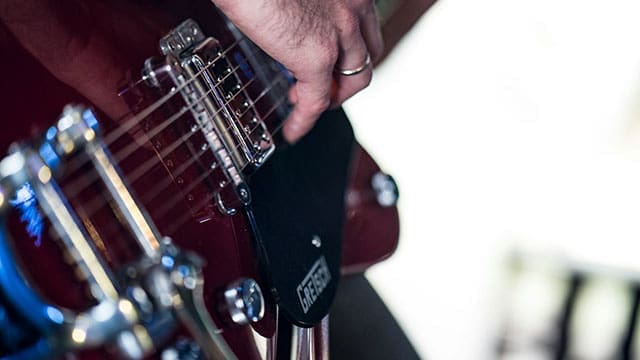
Follow our guide to ensure your guitar remains in top condition for the long term.
Photo by Adi Goldstein
Guitars are like a musician’s best friend, but they need care to stay in good shape. Whether you play at home or perform on stage, a well-kept guitar can improve your sound and overall experience. Since guitars are made from different materials, knowing how to care for them is vital to their long-term health.
Treat your guitar like a valuable piece of art. It deserves proper care to keep it looking good and playable. Simple habits, such as regular cleaning and proper storage, will help your guitar last longer and prevent minor problems from becoming major issues.
Let’s learn how to maintain a guitar in the long term.
Cleaning Your Guitar
Regular cleaning is the first step to keeping your guitar in good condition. Dust and dirt can build up quickly, especially if you play often. Use a microfiber cloth to wipe down the body after each session to remove fingerprints, sweat, and dust. This simple routine keeps your guitar’s finish clean and protects the wood and electronics over time.
For a deeper clean, use specialized guitar-cleaning products designed for different finishes. Always follow the instructions and avoid getting cleaner on the fretboard or electronics. Use a little product to prevent residue from building up. Keeping your guitar clean helps its materials stay in great shape and extends its life.
Controlling Humidity
Guitars can be sensitive to changes in their surroundings. The wood in a guitar expands and contracts with changes in humidity. Too much moisture can warp the wood, while too little can cause cracks. Aim for humidity levels around 40-50 per cent.
A hygrometer can help you monitor the environment around your guitar. If it’s too dry, use a humidifier in winter or whenever the air feels dry. If you live in a humid area, a dehumidifier can help keep humidity levels stable to protect your guitar over time.
Benefits of Nitrocellulose Lacquer
Many guitars use nitrocellulose lacquer for finishing. This finish gives the guitar a beautiful, glossy look and lets the wood breathe. Being breathable can improve the guitar’s sound, keeping it vibrant and resonant.
As this finish ages, it develops a unique patina that adds character while protecting the guitar. Aged lacquer can produce a warm sound that many musicians enjoy. To care for a guitar with a nitrocellulose finish, clean and condition it gently to keep its shine. Also, remove any stickers or adhesives quickly to prevent damage. Enjoying the beauty of nitrocellulose means appreciating both its look and its rich sound over the years.
String Maintenance
Your guitar strings affect its sound. Keeping them clean helps maintain a bright tone. Wipe your strings with a fiber cloth after playing to remove sweat and oil. This habit can make your strings last longer.
When it’s time to change your strings, try different types. Whether you choose coated or uncoated strings, the right option can improve your playing experience. Regularly changing your strings not only enhances the tone but also makes playing more enjoyable and reduces wear on your fingers.
Guitar Painting Kit
If you want to be creative, a DIY guitar painting kit can give your guitar a new look. These kits usually include special paint for guitars, masking tape, and instructions. It can be a fun project to personalize your instrument.
When you paint, prepare the surface properly. Sanding and applying primer help the paint stick well and look professional. Think about how your color choices will affect the look and feel of your guitar. With patience and creativity, you can transform your guitar and make it a special part of your music journey.
Proper Storage
Storing your guitar correctly is important. When you’re not using it, keep it in a case to protect it from dust and temperature changes. Hard cases offer the most protection, while padded gig bags are easy to carry. Don’t leave your guitar in extreme temperatures, like a hot car or a cold garage, as this can warp the instrument or damage its finish.
If you often play in certain places, consider using a safe, stable stand. This makes it easy to access your guitar while keeping it protected from accidental falls. Proper storage helps prevent damage.
To keep your guitar in good condition over the long term, pay attention to the details. Clean it, monitor humidity, and store it properly. These practices will help keep your instrument in great shape and ensure it sounds beautiful for years to come.
Setting Up Your Guitar
To make your guitar play well and feel comfortable, you need to set it up properly. This means adjusting the neck, action height, and intonation based on your playing style. If you don’t know how to do these adjustments, it’s a good idea to take your guitar to a professional luthier or guitar technician. They can help make your guitar perform better.
If you want to try setting it up yourself, start by checking the neck relief. Use a capo and a feeler gauge to measure the gap at the 8th fret. Adjust the truss rod if needed. Then, check the action by measuring the height of the strings above the fretboard at the 12th fret and adjust the bridge saddles. Proper setup can greatly improve playability and sound quality.
Investing in Quality Accessories
The right accessories can greatly improve your guitar experience. Good picks, straps, and cables can enhance your comfort and sound. Choose picks that feel good in your hand, as this affects your strumming and picking. A comfortable strap allows you to play longer without getting tired, especially during performances.
A good cable ensures a clean signal when you connect to amplifiers or effects. You might also want to look into effects pedals or amplifiers that match your style, as these can improve your sound. Quality accessories should support your instrument and enhance your musical journey, making every practice enjoyable and inspiring.
This content is a joint venture between our publication and our partner. We do not endorse any product or service mentioned in the article.



0 Comments