
Schools are rethinking how to keep kids safe. From security staff to smart tech to open communication, new strategies are helping protect students
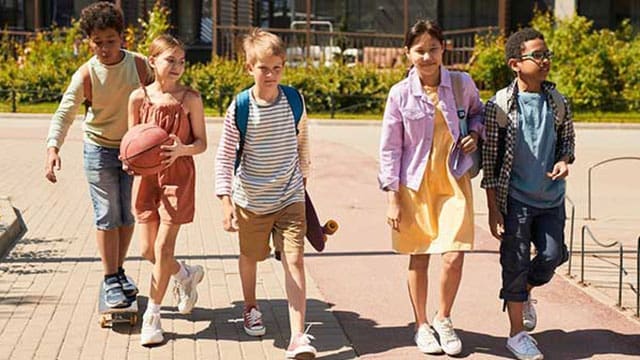
Keeping students safe takes teamwork.
Photo by Norma Mortenson
When it comes to keeping our schools safe, we focus on creating secure spaces where students can learn and thrive. Recent safety concerns have prompted schools to rethink how they protect their students. We need to strike a balance between reducing risks and ensuring students feel safe in their learning environments.
A secure atmosphere helps students concentrate better, which can improve their grades. As we plan, we can list practical steps schools can take to enhance safety.
Discover how to protect schools in the long term.
Build Strong Community Relationships
A school is part of the larger community. Schools can strengthen ties with local law enforcement, parents, and community organizations to create a supportive network. Regular meetings with police can help schools design security plans that meet their specific needs.
Involving parents in safety talks builds trust and transparency. When families are engaged, they are more likely to share concerns or report potential threats. This teamwork not only improves safety measures but also fosters a sense of shared responsibility for student well-being.
Invest in Security Personnel
Having trained security personnel on-site can lower risks. Security staff are often the first line of defence. School districts should prioritize hiring professionals trained in emergency response and skilled in interacting with students.
Security staff can develop good relationships with students, making them approachable. A trusting environment encourages students to report suspicious activity, allowing for prompt action and a safer learning atmosphere.
Install Walk-Through Metal Detectors
Walk-through metal detectors have changed how schools manage safety. They provide a reliable way to screen people entering the school. These devices enhance security while promoting a feeling of safety among staff and students.
A walk through metal detector can be easily integrated into the entry process, making it smooth and efficient. They demonstrate that the school prioritizes safety without causing unnecessary inconvenience. Everyone shares the responsibility for safety, and technology helps without being disruptive.
Emergency Preparedness Training
Preparation is key to any safety plan. Schools should hold regular drills for various potential threats, such as natural disasters or active shooters. Hands-on training empowers staff and students. Knowing what to do during an emergency helps everyone stay calm and act effectively.
Working with local emergency services can improve the effectiveness of these drills. By combining knowledge from different institutions, schools can create a comprehensive approach to crisis management. When students and staff understand the procedures for emergencies, it reduces panic and leads to organized responses.
Provide Mental Health Resources
Alongside physical safety measures, we must focus on the mental health of students. Schools should offer easy access to counselling services that provide emotional support. Mental health education can teach students healthy coping skills and build resilience.
When students feel emotionally supported, they are less likely to engage in harmful behaviours. Prioritizing mental health contributes to overall safety. Encouraging students to seek help helps create a culture of openness.
Use Technology Wisely
Using technology in school security can strengthen safety measures. According to Best Rated in Toronto, surveillance cameras, monitored access points, and communication apps can create a well-rounded safety strategy. These tools provide real-time updates and can quickly alert authorities if necessary.
Safety apps that allow staff to communicate instantly with local police can be lifesavers. For example, in critical situations, a quick alert can notify law enforcement of potential danger without alarming students. High-tech solutions blend well with traditional safety measures, adding extra layers of security.
Regular Safety Checks
Schools need to check their safety measures regularly. Conducting audits helps to find any weaknesses in security systems. Hiring outside safety experts can offer new ideas for improvements.
Regular safety checks encourage schools to make changes before problems arise. Monitoring security closely helps schools adjust to new challenges. By consistently reviewing and improving safety plans, schools demonstrate their commitment to protecting their students and staff over time.
Open Communication
Establishing open communication is key to a safe school environment. Schools should encourage students and staff to share their concerns so that issues can be addressed quickly. An anonymous tip line can help, allowing individuals to speak up without fear.
Creating spaces where students can discuss safety issues gives them a sense of responsibility for their environment. When everyone feels heard and respected, the school community becomes stronger, turning potential problems into teamwork solutions.
To protect schools, the main goal is clear. Create a safe and inviting space for students requires a comprehensive approach. Every action taken improves safety and ensures schools remain places where learning, creativity, and growth thrive
This content is a joint venture between our publication and our partner. We do not endorse any product or service mentioned in the article.