
Digital payments now define everyday spending
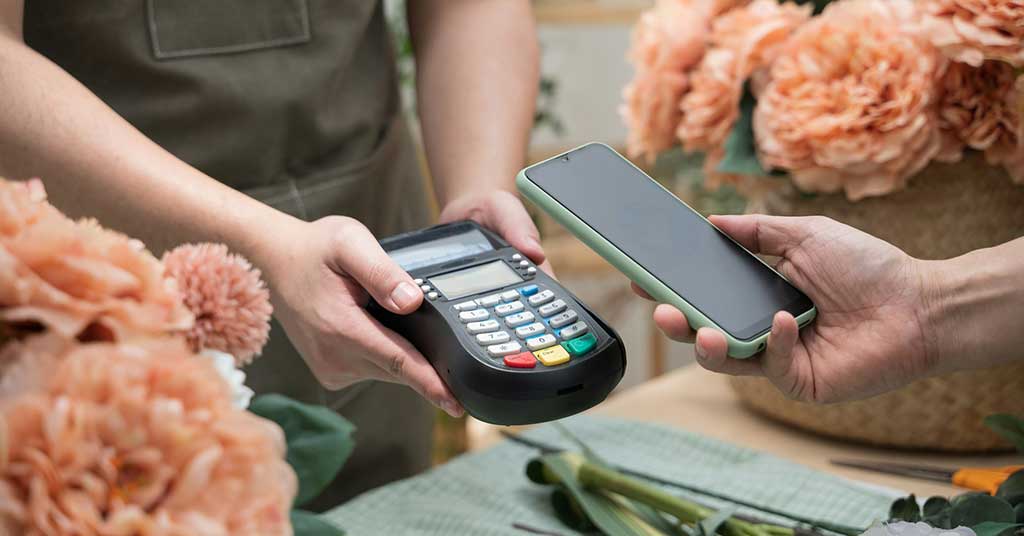
Digital payments have overtaken cash for most transactions. Payment speed and security are driving the declining use of cash.
Getty Images
The financial ecosystem in Canada has undergone a profound structural transformation over the last few years, moving far beyond simple convenience to become a fully integrated digital infrastructure. The days of carrying physical wallets filled with bills and coins feel increasingly like a distant memory for the majority of the population. This shift is not merely a temporary trend born of necessity but a permanent evolution in how Canadians exchange value, manage their wealth, and interact with the commercial world around them.
The rapid adoption of instant digital transfers
At the heart of this revolution lies the Interac network, which has effectively replaced cash for millions of daily transactions. The system has evolved from a simple debit tool into a comprehensive platform for real-time money movement, fundamentally changing how individuals and businesses operate. Interac e-Transfer processed approximately 1.6 billion transactions annually as of 2025, with roughly $620 billion in total transaction value. This volume underscores the reality that Canadians view instant digital transfers not as a luxury, but as the standard baseline for financial activity.
This demand for speed and reliability extends into every corner of the digital entertainment economy, where users refuse to tolerate delays in accessing their funds. Whether splitting a dinner bill or managing entertainment budgets, the requirement is for transactions that settle in seconds rather than days. This expectation of immediacy is particularly prevalent in the gaming sector, where enthusiasts prioritize CA casinos accepting Interac that support instant deposits and withdrawals.
Security standards defining modern online transactions
As transaction volumes migrate to the cloud, the conversation around payment processing has shifted heavily toward security and fraud prevention. Trust is the currency of the digital age, and Canadian financial institutions have responded by implementing rigorous authentication protocols that work invisibly in the background. Enhanced security measures are now a priority across the payments industry, directly addressing consumer concerns about transaction safety. These advancements have been crucial in convincing even the most skeptical demographics to abandon cash in favor of electronic alternatives.
The result is a high-trust environment where consumers feel secure linking their primary bank accounts to third-party apps and services. Biometric authentication, tokenization, and real-time fraud detection have created a safety net that physical cash simply cannot match. This psychological shift is critical; without the assurance that their money is safe, the widespread adoption of digital wallets and contactless payments would have stalled. Instead, security has become a market driver, encouraging higher spending limits and broader adoption of digital tools for high-value transactions.
The role of payment speed in user experience
The user experience of paying for goods and services has been streamlined to the point of invisibility, largely driven by the proliferation of mobile technology. Smartphones have effectively become the new banking branches, hosting sophisticated wallets that can manage loyalty programs, receipts, and payments simultaneously. Canada’s mobile wallet market reached USD 1.39 billion (CAD 1.9 billion) in 2024 and is projected to reach USD 20.48 billion (CAD 28 billion) by 2030. This explosive growth trajectory highlights a distinct preference for “tap-and-go” efficiency over the friction of inserting cards or counting change.
Generational trends are further accelerating this shift, as younger cohorts like Gen Z and Millennials enter their prime spending years with a mobile-first mindset. For these demographics, the idea of a payment taking more than a few seconds is alien and unacceptable. This pressure forces retailers and service providers to constantly upgrade their point-of-sale systems to accept the latest digital wallets and wearables. The result is a commercial environment where speed is synonymous with quality service, and businesses that fail to offer instant payment options risk losing customers to more agile competitors.
Adapting to a cashless financial future
Looking ahead, the trajectory for the Canadian payment landscape points toward a near-total dominance of electronic transactions. While physical currency will likely remain in circulation for specific use cases, its role as the primary medium of exchange has effectively ended. We are moving toward a financial environment where data connectivity is as important as capital liquidity. Retailers are increasingly designing store layouts that prioritize self-checkout and contactless terminals, further embedding digital habits into the physical shopping experience.
This transition presents both opportunities and challenges as the economy adapts to a cashless reality. Financial literacy must now include a deep understanding of digital security and data privacy, ensuring that all Canadians can navigate this new terrain safely. Ultimately, the shift is about more than just technology; it represents a fundamental change in how society values time and convenience. As we move deeper into the decade, the ability to transact instantly and securely will continue to define the rhythm of Canadian life, cementing the nation’s status as a digital-first economy.
This content is a joint venture between our publication and our partner. We do not endorse any product or service mentioned in the article.



0 Comments