
Top assistive devices for older adults to enhance daily living
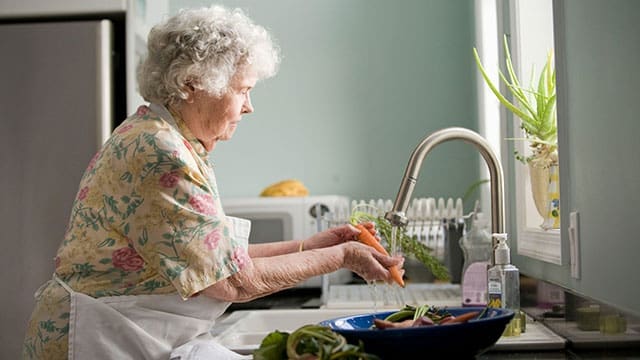
Photo by CDC
As we age, performing daily tasks can become more challenging. However, with some assistive devices and home modifications, older adults can continue to live independently and safely in their own homes. Here are some options to consider.
Assistive Devices
Assistive devices are tools that make completing daily activities easier. Some examples include:
Mobility Aids
Canes, walkers, and wheelchairs help with stability and mobility around the home. Look for models with brakes, swivel wheels, and adjustable heights. Walkers with built-in seats allow resting breaks. Power chairs and scooters improve mobility for longer distances.
Bathroom Aids
Shower chairs, grab bars, long-handled sponges, and handheld showerheads allow safer bathing and showering. Non-slip mats help prevent falls. Raised toilet seats make sitting and standing easier. Bath benches enable a seated shower experience.
Dressing Aids
Reachers and dressing sticks enable putting on socks, shoes, and pants without excessive bending or straining. Button hooks and zipper pulls make managing closures easier. Long-handled shoehorns reduce straining. Elastic shoelaces remove the need to tie shoes.
Kitchen Aids
Jar openers, large-handled utensils, plate guards, and non-slip mats make cooking and eating simpler. Adapted cutlery boosts independence at mealtimes. Stove knob covers prevent accidental activation. Reacher grabbers enable access to high cabinets. Wheeled carts hold frequently used cooking items.
Technology Aids
Medical alert systems, large-display phones, and voice-controlled smart home devices provide safety, security, and ease of use. Medication reminders and pill dispensers help stay on top of medications. Video calling keeps in touch with family and friends.
Home Modifications
Along with assistive devices, making structural changes and upgrades throughout the home can greatly improve accessibility and make daily living easier. Consider these modifications:
Lighting
Increase lighting in entryways, hallways, and staircases. Install nightlights and motion-sensor lights. Use large-print labels for light switches. Add touch lamps, clap-on lights, and doorway lights.
Flooring
Replace carpet with slip-resistant, low-pile carpeting. Install non-slip flooring in bathrooms. Remove area rugs and clutter to reduce trip hazards. Add color contrasts between flooring and baseboard to define level changes.
Bathroom
Add grab bars, a raised toilet seat, a walk-in or roll-in shower, and a shower chair or bench. Replace bathtubs with walk-in tubs. Install a handheld showerhead and adjustable shower rod.
Kitchen
Lower cabinets and counters. Install pull-out shelving. Replace appliances with front-control models. Use lever-style faucets and doors. Raise the dishwasher and install it on a platform. Add an induction cooktop for safety.
Bedroom
Place the bed near electrical outlets. Install bedrails and nightstands. Allow ample room to maneuver walkers and wheelchairs. Add touch lamps, distant TV controls, and a phone within reach of the bed.
Entryways
Install ramps or widen doorways for wheelchair access. Improve lighting at entrances. Add lever-style handles to doors. Install weather stripping to make doors easier to open. Add an awning for dry entry into the home.
Consulting Occupational Therapists
Occupational therapists can assess your abilities, recommend assistive devices and home modifications, and provide training on using the equipment safely. They will consider all functional needs from mobility to bathing to cooking. With some adaptive tools and a few home adjustments, older adults can comfortably and confidently live in their homes longer.
A home care provider in Thousand Oaks, CA, can help provide non-medical in-home care to make aging in place easier.
Maintaining independence is possible with thoughtful planning and support. Consider also consulting physical therapists and home health aides. With a team approach, specific recommendations can maximize independence.
This content is a joint venture between our publication and our partner. We do not endorse any product or service in the article.



0 Comments