
Ensure your senior cat stays healthy and active with the right diet and care
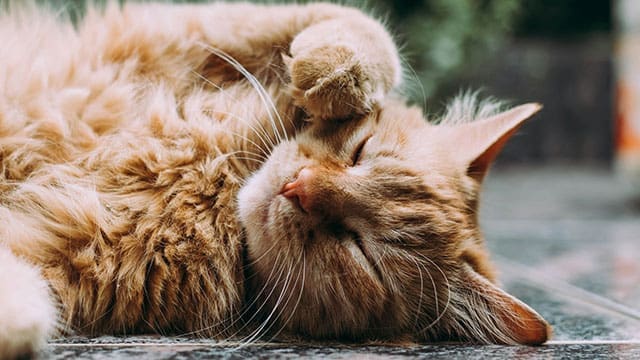
Photo by Ludemeula Fernandes
As your feline companion grows older, they might slow down, sleep a bit more, or develop some health challenges, but that doesn’t mean their best days are behind them. With a little extra care and attention, you can help your senior cat stay healthy, happy, and active for years to come. From dietary changes to regular vet check-ups, knowing how to manage the most common health problems in senior cats can make all the difference.
The Importance of Diet in Senior Cats
When it comes to aging cats, their dietary needs change significantly. One of the first signs of aging you might notice is a shift in your cat’s eating habits. They may seem pickier or experience changes in weight. As they grow older, cats are prone to conditions like obesity, diabetes, and kidney disease, all of which can be influenced by their diet.
Investing in high-quality senior cat food is the first thing you should do to ensure your aging kitty is getting the nutrients they need. These specially formulated foods are designed to help your cat maintain muscle mass, keep their organs functioning optimally, and even improve joint health. Proper nutrition is the foundation for keeping senior cats active and healthy. By feeding your cat the right kind of food, you can help slow down the aging process and reduce the risk of chronic illnesses that can arise in older cats.
Many senior cat foods contain added vitamins and supplements to help combat the common problems associated with aging, like arthritis and a weakened immune system. If you’ve noticed your cat losing interest in their regular kibble, talk to your vet about switching to a diet that supports their age-specific needs. Food is the most straightforward yet powerful way to ensure your senior cat thrives in their golden years.
Watch Out for Joint and Mobility Problems
Just like humans, cats experience wear and tear on their joints as they age. One of the most common issues in older cats is arthritis, which can make it hard for your furry friend to jump, play, or even get out of bed comfortably. You might notice them hesitating before hopping up to their favorite spot on the couch or spending more time sleeping in easy-to-reach places.
There are signs you can look out for to catch mobility issues early. Cats are known for masking pain, but subtle changes in behavior can indicate discomfort. Your once-active cat might start grooming less, avoiding stairs, or even walking with a slight limp. If you suspect your cat is dealing with joint pain, speak with your vet about treatments like supplements or medications that can help reduce inflammation and keep your cat moving comfortably.
It’s also a great idea to conduct at-home tests for your cat to help find the root issues. Something as simple as observing how your cat moves around the house or setting up a few physical challenges can help you and your vet pinpoint where the trouble lies. You don’t have to wait for obvious symptoms to give your cat the support they need – early detection is key to keeping them feeling their best.
Dental Problems: More Than Just Bad Breath
Older cats are notorious for developing dental problems, and while many pet owners think it’s just bad breath, the reality is often much more serious. Periodontal disease is incredibly common in senior cats and can lead to infections, difficulty eating, and even systemic health issues if left untreated.
As cats age, their teeth become more likely to have serious plaque buildup, which will harden into tartar and cause gum inflammation. If your cat is drooling more than usual, pawing at their mouth, or has stopped eating crunchy food, these could all be signs of dental problems.
While brushing your cat’s teeth may sound like an impossible task, there are alternatives like dental wipes and chew toys designed to clean teeth. Your vet can also perform a thorough dental cleaning under anesthesia to remove tartar and address any decaying teeth. This proactive approach can extend your cat’s life and prevent painful complications down the road.
Kidney Disease: A Silent Threat
One of the most common health problems in senior cats is kidney disease, a condition that can creep up slowly and without many early warning signs. The kidneys play a crucial role in filtering waste from the blood, and when they start to fail, it can lead to a buildup of toxins in the body. Chronic kidney disease is a lot more common in cats over the age of seven, and while there’s no cure, early diagnosis and proper management can help your cat live a longer, healthier life.
Symptoms of kidney disease in cats include increased thirst, frequent urination, weight loss, and lethargy. If you notice any of these signs, it’s essential to get your cat checked by a vet. Blood tests and urine analysis can confirm kidney function, and your vet may recommend a special diet to support your cat’s kidneys. These diets are typically lower in protein and phosphorus to reduce the strain on the kidneys.
In more severe cases, medication and fluid therapy may be necessary to help manage the disease. While it can be a challenging diagnosis, many cats with kidney disease can live for years with the right treatment plan.
Regular Vet Visits Are a Must
Routine vet visits are one of the most effective ways to catch health issues early and keep your senior cat in top shape. As cats age, they need more frequent check-ups – every six months is recommended for senior cats. During these visits, your vet can monitor your cat’s weight, check for any signs of illness, and perform necessary tests to ensure your cat is staying healthy.
Your vet can also help you create a wellness plan tailored to your cat’s specific needs. This might include blood work, dental check-ups, and advice on supplements or medications that can help with aging issues like arthritis or kidney disease.
While it’s tempting to think your cat doesn’t need as much attention from the vet if it seems healthy, remember that cats are masters at hiding discomfort. Regular check-ups give you the best chance of catching problems early before they become serious.
Aging is a natural part of life for cats, but it doesn’t have to mean a decline in their quality of life. By staying on top of their health, you’ll ensure your feline friend enjoys their golden years with as much comfort and happiness as possible.
This content is a joint venture between our publication and our partner. We do not endorse any product or service in the article.



0 Comments