
Tips to creating strong passwords for cybersecurity protection
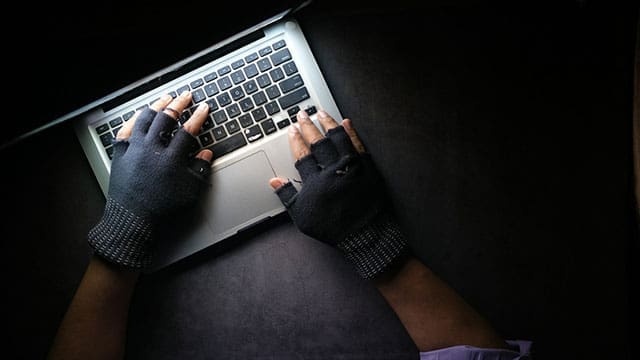
Photo by Towfiqu Barbhuiya
Strong passwords are important for anyone who uses electronic devices. These passwords protect your personal information and prevent unauthorized access to your accounts. A complex passport provides the best protection from cybersecurity threats and losing your data.
Why Strong Passwords Are Important
We use login details for almost any account we create online. Whether you’re setting up your email, Facebook, or online studies, you will be requested to create a username and password.
Gaming platforms (like Steam) and online casinos also require users to create accounts and secure them with a password. When it comes to gambling, the best online casinos will always require you to create an account. These top casinos, according to Vlad Grindu from Techopedia, have this requirement to protect their users’ data and funds.
Most hackers wanting to access personal accounts use “brute force attacks”. This is where the hacker tries to guess a password using common words or phrases, or standard passwords that come with devices. These include “password”, “admin” or “12345”.
Weak passwords are security risks, resulting in data breaches, stealing of personal information, and even losing access to your finances.
Many people use the same password for all their accounts, from bank accounts to email accounts and social media platforms. It may be easier for the user to remember their password this way, but it is an insecure practice because once a cybercriminal gets access to your password, they can hack all your accounts.
Using a complex, secure password and having variations of it for all your accounts is the best way to block cybersecurity threats from accessing your personal information.
Tips for Creating a Robust Password
Knowing how to protect your digital accounts and devices is vital. These tips will help you create a strong password that can’t be hacked.
Mix letters, numbers, and symbols
Use a combination of upper and lower case letters, numbers, and symbols so hackers can’t guess your passcode through a brute force attack.
Avoid obvious information
Don’t use information that can easily be found out about yourself, like your own name, birthday, your significant other’s name, or a pet’s name. This information can easily be found on your social media.
Longer passwords are stronger
The longer and more complex the password is, the more robust it becomes. It’s recommended that a password is a minimum of 8 characters long, but the strongest passwords exceed 12 characters.
Create new passwords each time
It can be tempting to reuse old passwords as they’re easier to remember, but they’re also easier to hack. Once a hacker gains access to a single account, they’ll be able to log in to all of your accounts.
Regularly update your passwords
Make sure to update your passwords every few months. At the very least, you should update your password if you receive a notification that there was a login attempt (that wasn’t you). Some accounts contain more sensitive information than others, and these passwords should be updated more frequently.
Use a password manager
Password managers not only help by generating strong passwords, but they also securely store your passwords for each of your accounts. This means that you can create unique passwords for each account you have, without having to worry about remembering each one.
Use multi-factor authentication
These additional security measures will require you to log in with a password as well as authenticate yourself, either through biometrics or by requiring you to log in with an OTP sent to your phone. When possible, set up multi-factor authentication as an added security measure.
This content is a joint venture between our publication and our partner. We do not endorse any product or service in the article.



0 Comments