
Collision repairs don’t always go as planned, so it’s smart to keep an eye on your vehicle after you get it back
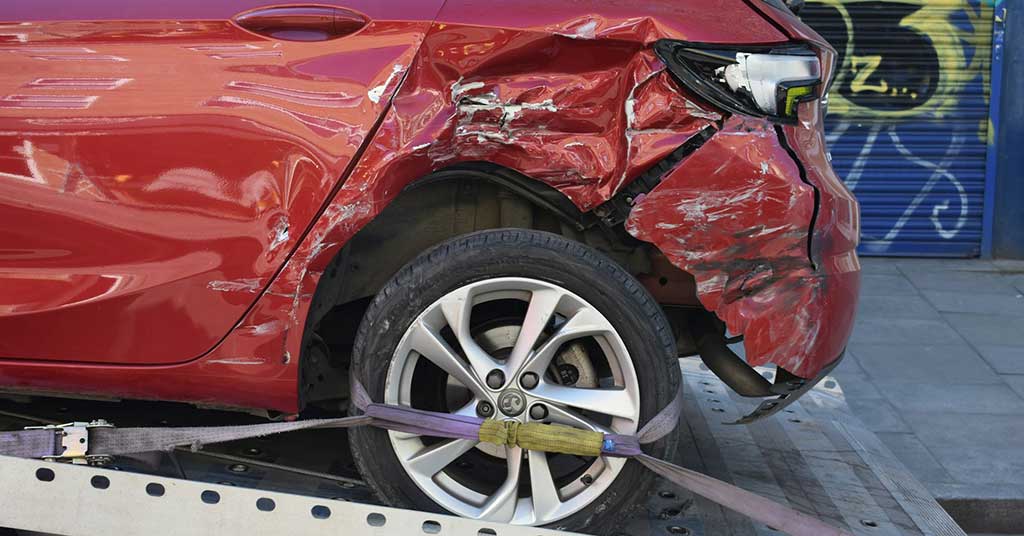
Collision repairs can fail due to misdiagnosis, improper parts or poor work. Learn the warning signs to protect your vehicle.
Image by Usman Malik
Improper replacement parts, unsecured installations, misdiagnoses, and other mishaps can all render a collision repair ineffective. When you visit an auto body repair shop, you hope the technicians there know what they’re doing will fix whatever issue you’ve been experiencing, and that’s it. And while that’s often the case–at least if you choose a reputable collision repair business–there’s a lot that can go wrong. By being mindful and paying attention to how your vehicle responds after an auto body repair, you can catch things that aren’t quite right before they become big problems.
Why didn’t my collision repair work?
There are numerous reasons why a repair might not work properly or result in another breakage unreasonably quickly. Sometimes this is the result of human error, and sometimes it’s just the nature of auto body repair. Here are some reasons a repair or service may not achieve the desired result:
- Misdiagnosis: If the auto body repair technicians didn’t correctly assess the problem, they have little chance of fixing it. If they replaced a part that wasn’t causing the issue, then the problem is likely to reemerge before long.
- Improper replacement part: Finding the right part can be surprisingly tricky, especially for older vehicles. In many instances, there are compatible options a mechanic can source that aren’t the exact part they’re replacing. However, if they don’t get the form and fit correctly, this will only cause more issues.
- Bad job: Not everyone is good at their job. If you visit a less-than-stellar collision repair shop, the staff there might simply do a bad job.
- Treating the symptom: Much like with medicine, sometimes professionals focus too much on the problem in front of them and not consider the potential underlying cause. For example, a transmission fluid flush might help a transmission work well again. But if there’s a bigger problem that contaminated or degraded the transmission fluid in the first place, then the symptoms will come back.
- Driving habits: Sometimes the auto body repair technicians do everything right, but the driver has some bad habits–usually, driving too aggressively–that wear down parts and cause problems within the vehicle.
Monitoring your vehicle after a collision repair
Here are some potential signs of trouble to look out for after a repair or maintenance service:
How’s your steering?
If your steering is very off, it’s immediately noticeable. But often, steering is off only by a bit; something you may subconsciously notice without pinpointing what’s wrong. It’s important to pay attention to this, because a minor steering issue can be a disaster if you need to react quickly.
It’s also especially relevant after a collision repair. There are numerous services that can affect steering that novice or inattentive mechanics may not notice. An improper frame or wheel alignment or damaged suspension components can all throw the steering off. These issues are especially common after collision repairs resulting from front-end or side impacts.
What’s that sound?
Automobiles make numerous noises, and many of these are innocuous. However, noises are also often key indicators that something is wrong within a vehicle. Here are some sounds to keep an ear out for, especially after a collision repair:
- Clunking: These knocking or thumping noises can come from loose suspension parts, improperly torqued bolts, or damaged mounts.
- Rattling: All vehicles vibrate, but they shouldn’t shake. Rattling sounds might indicate loose or missing fasteners, unsecured trim, or improperly installed panels.
- Whistling: You may whistle while you drive, but your car shouldn’t. Whistling noises that happen while driving at speed often come from gaps around doors, windows, or mirrors.
Pump the brakes
There’s nothing more important than a braking system that works properly. This means you should pay extra attention to how your brakes perform after an auto body repair. Spongy or inconsistent braking might mean that air has collected in the brake line. Excessive brake noise could mean there are misaligned components.
Handle with care
Pay special attention to how your vehicle behaves when cornering. If it feels less planted, like it’s coming off the ground in these moments, there could be something wrong with your suspension. This can happen when structural repairs don’t fully restore the suspension to factory dimensions. Furthermore, if your vehicle has advanced driver assistance systems (ADAS), these could be causing the issue. Auto body repair businesses without modern equipment and tools often don’t calibrate ADAS features properly, and this can cause a range of issues.
How does it look?
If you can spot an issue just by eyeballing your vehicle, that doesn’t speak highly of the collision repair shop who did the work. But this happens. Check for uneven spacing between the vehicle panels and test that your doors, hood, and trunk close smoothly.
If you’ve had a vehicle paint repair, look for color mismatching. Automotive paint needs to be matched exactly during repairs, because even a slight discrepancy can look awful under proper lighting. Check your trim and glass for overspray, as some technicians may not take the time to cover up surfaces that aren’t supposed to be painted. Also, if the new paint has the rough texture of an orange peel, this suggests they slathered it on too thick, which doesn’t look good.
Find a shop you can trust
As mentioned above, honest people make honest mistakes and auto body repair can be tricky. However, if you trust your vehicle with reputable professionals, the problems outlined in this article are unlikely to happen. And if they do, a good collision repair shop won’t make you pay for its mistakes.
This content is a joint venture between our publication and our partner. We do not endorse any product or service mentioned in the article.