
Photo by Sam Pak on Unsplash
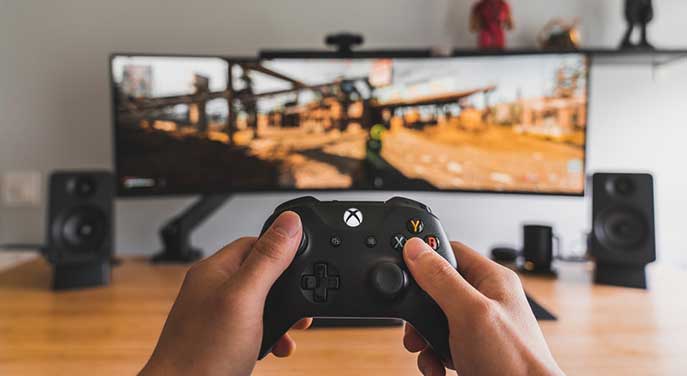
There was nothing like the feeling of returning home from the store with a new video game, peeling off the cellophane, cracking open the case for the first time, and popping out the disc ready to load into your PC or console.
The anticipation would build as the CD tray slowly sealed itself shut, making a quiet but reassuring plastic clunk as it closed. The console or PC would show the loading screen, pushing your excitement even higher. And then, finally, the game’s main menu would appear. You’d look around, select the mode you wanted, and set off on a journey of exploration that would last hundreds or even thousands of hours.
Sure, playing the game was fun, but the whole gaming experience was improved by the act of this physical ritual of unboxing and loading. Many of us will have great memories of loading up games like Final Fantasy, Grand Theft Auto, and Halo for the first time after bringing them home from the store, and this experience is why.
Sadly, for the most part, this is something most gamers no longer get to experience since discs have now been made obsolete by digital downloads.
Another reason that we don’t have as many physical games anymore is that many publishers are now offering some of their biggest titles for free.
On the surface, that concept seems ludicrous. Video games today are much bigger than they have ever been. They have more detailed and realistic graphics, they are more complex, and include more online features, all things that cost developers and publishers more money.
So why do so many companies give away their games?
A New Model
You will have had to have been living under a rock to not notice that the majority of video games today include microtransactions. They’re the regular reminders you receive telling you that you could skip waiting times, unlock new features, or customize your character. Most of us ignore them, though a small but significant group find value in these in-game items and upgrades and are willing to hand over sizable sums of cash.
This approach is relatively new, with it first appearing around ten years ago. It’s slowly crept into more and more games, with the majority of new releases now using microtransactions in one way or another.
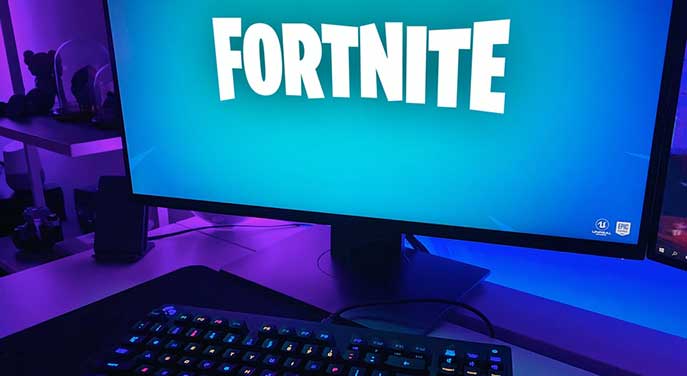
Photo by Vlad Gorshkov on Unsplash
Not the Only Reason
Giving away games for free isn’t entirely new. A model known as “shareware”, which involves giving part of a game away for free and encouraging you to share it with friends, has been around for decades.
Developers made money from the people that paid to unlock the additional levels, though this fee would be a one-time charge rather than one you could pay over and over to unlock more content.
One of the most famous shareware games is Doom, which offered a nine-level episode for free.
Online casinos often give their customers several ways to play their games for free too. One way to do this is through play-money games, these work in the exact same way as their real-money versions but don’t require the player to stake any of their own money and don’t offer a real-money prize.
Some casinos also offer free spins to use on slots, often as a bonus or as a reward for completing certain challenges. These can be used on real-money slot games, but can sometimes come with some restrictions that mean they must be “played through” a few times before any winnings can be withdrawn. Free spins like this are commonly offered to new customers as an incentive for signing up as part of a welcome bonus.
Why Do Companies Do This?
The simple answer is that games are offered for free because the publishers are confident that they are fun and will be enjoyed by players. Knowing this, they assume that a large group of them will be so committed to it, that they’ll voluntarily pay for the additional features offered by the microtransactions.
It’s an assumption that has paid off. In 2020, Take-Two Interactive, the company that publishes Grand Theft Auto announced that it now makes around 50% of its revenue from these small recurring charges. Other games, such as Fortnite, Candy Crush, and Farmville have become some of the most commercially successful titles ever made, all thanks to their free-to-play model.
This content is a joint venture between our publication and our partner. We do not endorse any product or service in the article.



0 Comments